


Building a Traditional Afternoon Tea at Home
Combine finger sandwiches, warm scones and small cakes with a pot of tea for a relaxed weekend treat.

Why Afternoon Tea Still Earns Its Place
There is something quietly civilising about afternoon tea. It is not dinner, it is not a snack, and it has no real purpose beyond pleasure — which may be exactly why it has survived for nearly two centuries. The Victorians formalised it, the Edwardians gilded it, and modern bakers have sensibly stripped it back again. What remains is a simple idea: a pot of good tea, a few delicate things to eat, and an hour set aside for sitting down.
Building one at home is far less intimidating than a hotel menu suggests. You do not need three tiers of silver or a steady hand with a piping bag. You need a sensible order of work, a handful of recipes you trust, and the discipline to make things small. Everything else is garnish.
Plan the Plate Before You Bake
Afternoon tea traditionally follows a savoury-to-sweet arc: finger sandwiches first, then scones with jam and cream, then small cakes and perhaps a tart or two. Aim for three savoury fillings and three sweet items for four people. More than that and you will be cooking all morning rather than enjoying the afternoon.
- Sandwiches: one fish, one meat, one vegetarian. Smoked salmon with cream cheese and dill; ham with mustard butter; cucumber with minted cream cheese.
- Scones: plain or with sultanas. Fruit scones split opinion, so make one batch of each if you have the oven space.
- Cakes: a light Victoria sponge cut into small squares, miniature fruit tarts, and a batch of something quick such as lemon shortbread or a simple seed cake.
Write your list, then work backwards. Anything that keeps well — shortbread, sponges, sandwich fillings — can be made the day before. Scones and assembly belong to the day itself.
The Sandwiches: Thin Bread, Generous Filling
The single most common mistake is bread that is too thick. Cut fresh white or light brown loaves thinly, or buy a good sliced loaf and trim the crusts after filling. A thin smear of softened butter on both slices acts as a waterproof layer, which matters enormously with cucumber and tomato.
Keep fillings restrained. Grated cucumber should be salted for ten minutes, then squeezed dry in a clean tea towel — this one step prevents soggy sandwiches. For ham, beat a little English mustard into soft butter rather than spreading mustard directly. For smoked salmon, combine cream cheese with lemon zest, black pepper and chopped dill, and add a squeeze of lemon at the last minute.
Assemble in stacks, press gently, then cut into fingers roughly the width of two fingers. Arrange them on a plate under a barely damp cloth in the fridge for up to two hours. Any longer and the bread begins to tire.
Scones: Hot, Tall and Handled Lightly
Scones are the heart of the whole affair and the item most likely to disappoint. The rules are few but firm. Use cold butter, rubbed into self-raising flour with your fingertips until it resembles coarse breadcrumbs. Add a pinch of salt and a tablespoon or two of caster sugar for a slightly sweet edge. Bind with milk or buttermilk — no aggressive kneading, just bring the dough together.
Pat it out to about 2.5cm thick, cut straight down with a floured cutter and do not twist. Twisting seals the edges and stops the rise. Brush the tops with a little beaten egg or milk and bake at 220°C (200°C fan, gas mark 7) for ten to twelve minutes until risen and golden.
Serve them warm, and let your guests assemble their own. In Cornwall, jam goes on first; in Devon, cream does. At home, the correct order is whatever causes the least argument.
Cakes Small Enough to Be Polite
Afternoon tea cakes should be two bites, no more. A classic Victoria sponge, baked in two tins and sandwiched with raspberry jam and lightly whipped cream, cuts neatly into sixteen small squares. Dust the top with caster sugar rather than icing sugar, which disappears into the cream.
For something with more grip, try miniature fruit tarts made with ready-made all-butter pastry, a spoonful of crème pâtissière and a few raspberries or halved strawberries. Alternatively, a simple lemon shortbread — 175g butter, 75g caster sugar, 250g plain flour, zest of one lemon — pressed into a tin, scored, and baked at 160°C for thirty minutes, then cut while warm. It keeps for a week in a tin and improves after a day.
Tea, Timing and the Art of Sitting Down
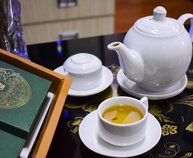
The tea matters as much as the food. Choose something with enough body to stand up to cream and jam: an English breakfast blend, an Assam, or a good Ceylon. Warm the pot with boiling water, discard it, add one teaspoon of leaves per person plus one for the pot, then pour on freshly boiled water and steep for three to four minutes. If you are using bags, use two per pot and still warm it first.
Offer milk in a jug and lemon in slices, and keep a second pot ready. Tea goes cold faster than anyone expects.
Finally, resist the urge to do everything at the last minute. Set the table before you bake, put the kettle on ten minutes before you sit, and let the sandwiches come to room temperature rather than serving them fridge-cold. Afternoon tea is not a performance — it is an hour of your weekend spent deliberately well. That, more than any recipe, is what makes it traditional.

Post a comment